
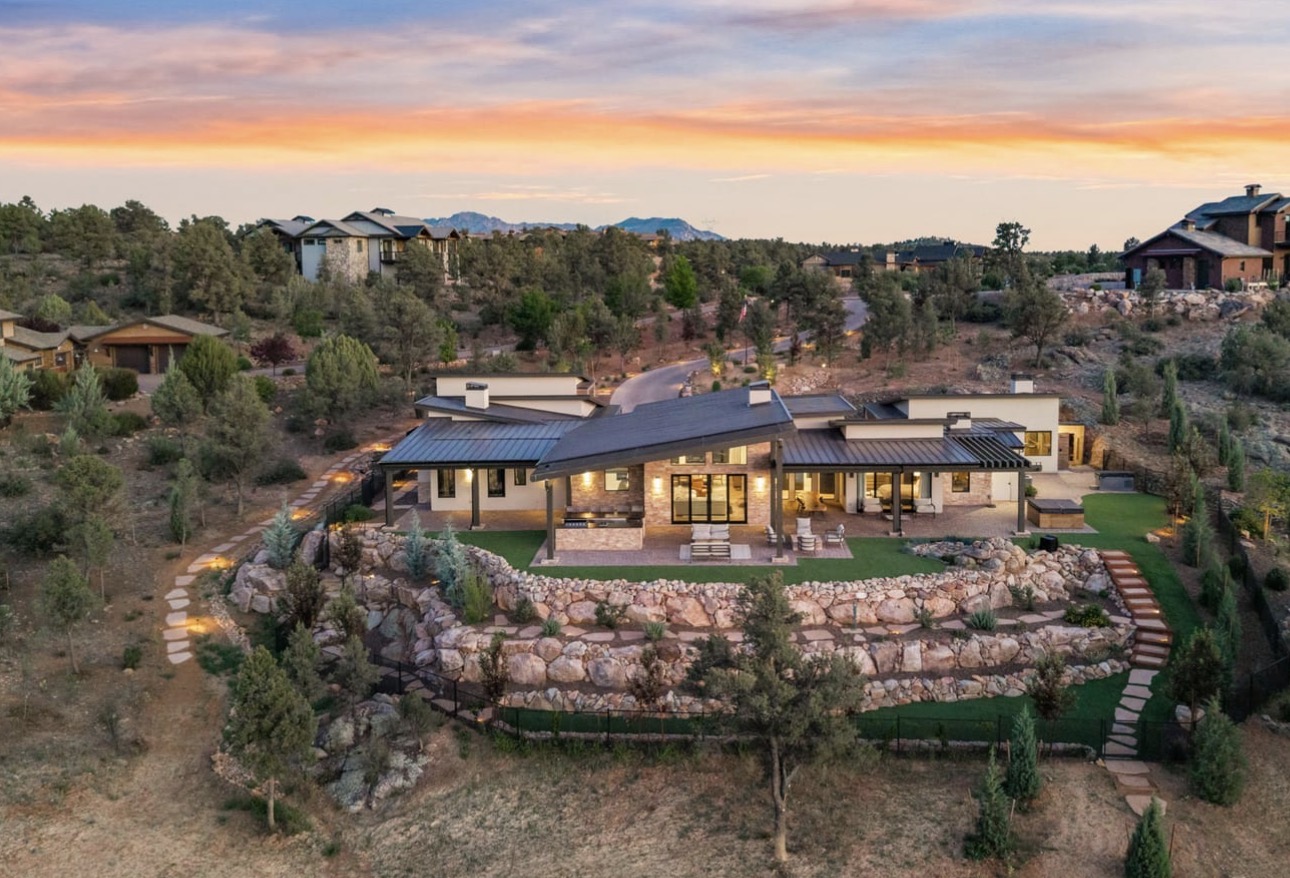
Best Ways to Prevent Erosion in Your Yard After Monsoon Season
Monsoon storms can turn a Northern Arizona yard into a network of muddy channels, exposed roots, and washed-out soil. If your Prescott property shows signs of runoff after heavy rain, the right erosion control plan can protect your landscape, improve drainage, and prevent small problems from becoming expensive repairs.
Why monsoon storms cause yard erosion in Prescott
Prescott and surrounding Northern Arizona communities experience intense bursts of rain during monsoon season. Dry, compacted soil may not absorb water quickly enough, especially on slopes, near downspouts, or where vegetation is sparse. Fast-moving runoff then carries soil downhill and leaves behind ruts, sediment deposits, and unstable edges.
Common warning signs include:
Channels or gullies forming in the soil
Exposed plant roots
Washed-out mulch or gravel
Sediment collecting near walls, sidewalks, or driveways
Pooling water followed by bare, muddy areas
Sloped sections that become increasingly difficult to maintain
Best ways to prevent yard erosion after monsoon season
1. Inspect where water is coming from and where it goes
Start by observing the path of runoff during and after a storm. Check roof downspouts, driveway edges, compacted walkways, slopes, and low areas. Effective erosion control landscaping begins with identifying the source and direction of water, not simply covering damaged soil.
If water is concentrated in one location, a drainage adjustment may be more effective than adding more plants or mulch alone.
2. Rebuild healthy soil and cover bare ground
Bare soil erodes quickly. Add appropriate soil amendments where needed, then cover exposed areas with mulch, rock, erosion-control blankets, or established vegetation. The best material depends on the slope, drainage pattern, and surrounding landscape design.
Organic mulch can reduce raindrop impact and help retain moisture, while rock can provide durable coverage in high-traffic or particularly dry areas. Materials should be installed so they do not create a new blockage or redirect water toward a foundation.
3. Use plants to stabilize slopes
Deep-rooted, climate-appropriate plants help hold soil in place. Native and drought-tolerant species can provide long-term coverage while fitting Northern Arizona’s conditions. Plant selection should account for sun exposure, soil type, irrigation needs, mature size, and the amount of runoff the area receives.
Groundcovers, ornamental grasses, shrubs, and carefully placed trees can work together to slow water and protect soil. Avoid planting a single layer of vegetation on a steep slope. A mix of heights and root structures generally provides better coverage.
4. Improve drainage around downspouts and hardscapes
Downspouts should discharge water safely away from structures and vulnerable planting beds. Depending on the property, solutions may include extensions, splash blocks, swales, catch basins, dry creek beds, or other drainage features.
Hardscapes can also accelerate runoff if they are sloped or positioned poorly. During an erosion control assessment, look at how patios, retaining walls, walkways, and driveways interact with the natural grade.
5. Consider retaining walls or terracing for steep areas
A retaining wall can break a long slope into smaller sections, reduce the speed of runoff, and create usable planting areas. Terracing may be appropriate when a yard has significant elevation changes or recurring washouts.
Retaining walls must be designed for the site. Drainage behind the wall, footing conditions, soil pressure, materials, and local requirements all matter. A decorative wall without proper drainage can create larger problems later.
6. Use erosion-control seeding where turf or groundcover is needed
Some properties need fast, even coverage across a large area. Hydroseeding may help establish grass or other selected vegetation more efficiently than traditional hand seeding, depending on the site and season. It is not a universal fix, however. The seed mix, soil preparation, irrigation, slope, and timing all affect results.
What to do if your yard already has erosion damage
First, document the affected areas with photos and note where water entered and exited the property. Avoid simply filling a channel without addressing the runoff source. Temporary measures such as additional ground cover may help, but significant washouts, exposed foundations, unstable slopes, or damaged drainage features deserve a professional assessment.
An erosion control plan for a Prescott property may combine grading, drainage improvements, plantings, mulch or rock, hydroseeding, and hardscaping. The goal is to slow and redirect water while keeping the finished landscape attractive and maintainable.
FAQ: Yard erosion after monsoon season
How can I prevent yard erosion before the next monsoon storm?
Inspect drainage paths, protect bare soil, keep downspouts directed away from structures, maintain healthy plant coverage, and address steep or damaged areas before the next major storm. A pre-storm assessment is especially useful for sloped yards.
Is gravel enough to stop erosion?
Gravel can help in some locations, but it is not always enough. If water is moving quickly or is concentrated in one channel, gravel may shift or wash away. The right solution may also require grading, drainage improvements, plants, edging, or a retaining feature.
When should I call a professional for erosion control?
Contact a professional when erosion is recurring, affecting a foundation or hardscape, exposing roots, undermining a slope, or creating deep channels. Early assessment can help prevent more extensive repairs.
Protect your Prescott landscape from future runoff
The best way to prevent yard erosion is to address both the water and the soil. If your property has monsoon damage or recurring drainage problems, Manzanita Landscaping can help evaluate the site and recommend practical erosion control solutions for your Prescott or Northern Arizona landscape. Get an erosion control assessment before the next storm creates more damage.